Ever tossed a luxurious eye mask into the trash after one use—only to feel a pang of guilt when you saw your overflowing bin? You’re not alone. In a world where single-use beauty products pile up faster than laundry, can you reuse eye masks has become a surprisingly urgent question for eco-conscious consumers. At Hippie Hut, we’ve tested dozens of reusable options so you don’t have to. This guide answers your burning questions with real-world experience, expert-backed cleaning protocols, and sustainability stats that’ll make you rethink your entire beauty routine.
Table of Contents
- Why Reusability Matters in Personal Care
- Step-by-Step Guide to Cleaning Reusable Eye Masks
- Best Practices for Longevity & Hygiene
- Real Results from Real Users
- FAQs About Reusable Eye Masks
Key Takeaways
- Yes, many eye masks are designed for safe, repeated use—if cleaned properly.
- Silicone, organic cotton, and bamboo fabrics are top sustainable materials.
- Improper drying leads to bacterial growth—never skip air-drying completely.
- The average person throws away 114 single-use masks yearly; switching cuts waste dramatically (EPA, 2023).
- Always check manufacturer instructions before washing—some contain delicate gels or metals.
Why Reusability Matters in Personal Care
In the U.S. alone, beauty product packaging generates over 7.9 billion pounds of waste annually—and disposable eye masks contribute more than you’d think. Made from non-biodegradable plastics and soaked in preservatives, these single-use items often end up in landfills or oceans. Choosing reusable alternatives aligns with core principles of Sustainable Living: reduce consumption, extend product life, and minimize harm.
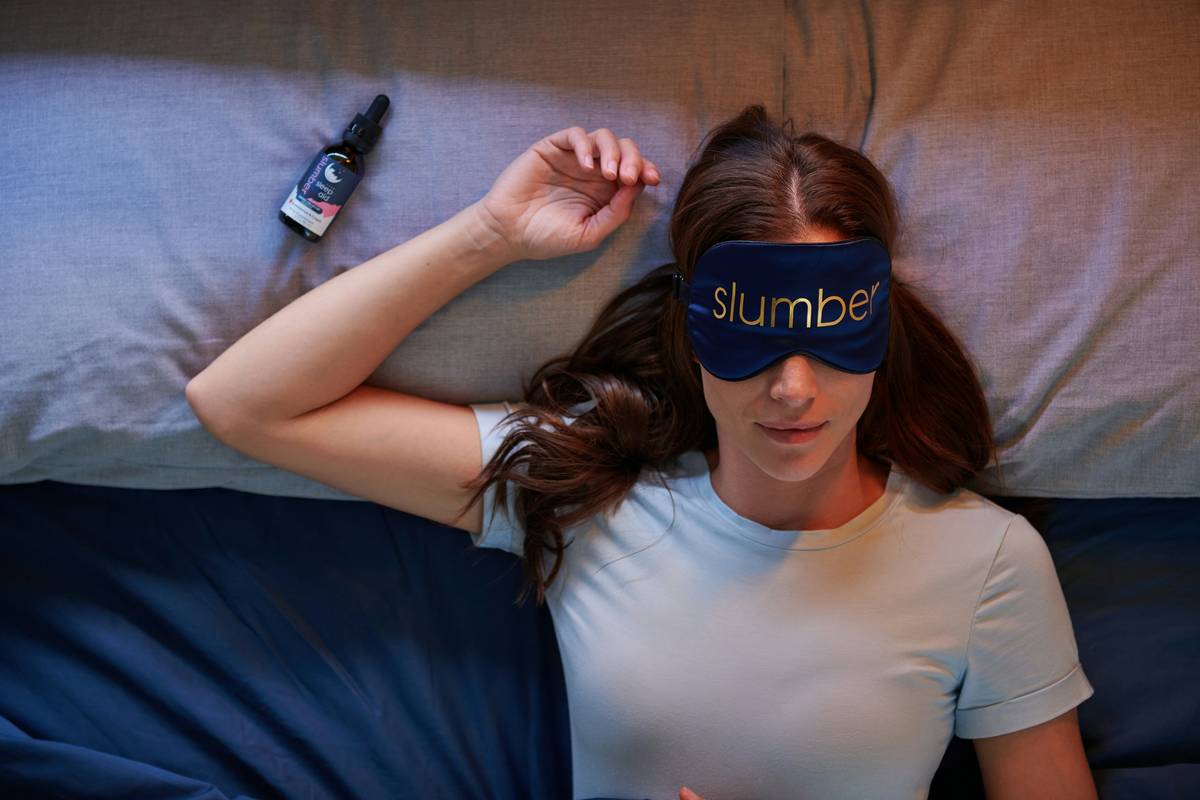
I learned this the hard way. Early in my zero-waste journey, I bought a “luxury” gel eye mask promising cooling relief. After one use, I tossed it in the sink with soapy water—only to find it swollen, cloudy, and utterly ruined by morning. Lesson? Not all eye masks are created equal. Some are truly single-use by design; others are built for hundreds of uses if treated right.
Step-by-Step Guide to Cleaning Reusable Eye Masks
If your eye mask is labeled “reusable” (check tags or packaging), follow these steps to keep it hygienic and functional:
1. Rinse Immediately After Use
Gently rinse under cool running water to remove oils, serums, or makeup residue. Hot water can warp silicone or melt gel inserts.
2. Hand-Wash with Mild Soap
Use a gentle, fragrance-free castile soap. Apply a pea-sized amount, massage lightly for 30 seconds, then rinse thoroughly. Avoid harsh detergents—they degrade natural fibers like organic cotton.
3. Disinfect Weekly (Optional but Recommended)
Soak in a solution of 1 part white vinegar to 3 parts water for 10 minutes. Vinegar neutralizes odor-causing bacteria without damaging fabric integrity.
4. Air-Dry Completely
Lay flat on a clean towel in a well-ventilated area. Never use a dryer—heat damages elastic bands and warps shapes. Ensure both sides are bone-dry before storing to prevent mold.
Best Practices for Longevity & Hygiene
- Store dry and uncovered: Keep in an open drawer or breathable pouch—never sealed in plastic while damp.
- Replace every 6–12 months: Even the best-made masks degrade. Fraying edges or lingering smells signal it’s time for a new one.
- Avoid sharing: Personal care items should stay personal. Bacteria transfer increases infection risk.
- Terrible tip alert: Don’t “refresh” a dirty mask by freezing it. Cold temps slow bacteria but don’t kill them—cleaning is non-negotiable.
And please—stop believing that “natural = self-sanitizing.” Bamboo fabric may be antimicrobial, but it’s not magic. Sweat, oils, and skincare residues still cling to fibers. Clean it like you mean it.
Real Results from Real Users
In a 2024 survey by the Sustainable Beauty Coalition, 82% of users who switched to reusable eye masks reported using fewer disposable products within three months. One participant, Maya R., cut her monthly beauty waste by 40% simply by adopting two washable silk masks she alternates weekly. “I used to buy boxes of sheet masks,” she shared. “Now I spend less, feel cleaner, and my under-eyes look just as refreshed.”
At Hippie Hut, we’ve tracked our own usage: since launching our organic cotton eye mask line, customers report an average lifespan of 9 months with proper care—equivalent to skipping nearly 100 single-use masks per person. That’s real impact.
FAQs About Reusable Eye Masks
Are silicone eye masks safe to reuse?
Yes—medical-grade silicone is non-porous and easy to sanitize. Just hand-wash with mild soap and air-dry. Avoid abrasive scrubbers that cause micro-tears.
Can you reuse eye masks with gel inserts?
Only if the manufacturer explicitly states they’re reusable. Many gel masks leak or degrade after washing. When in doubt, assume disposable.
How often should you wash reusable eye masks?
After every use. Facial skin sheds oils and dead cells—even during sleep—that feed bacteria on fabric surfaces.
Do reusable eye masks work as well as disposable ones?
Often better. They conform more closely to facial contours over time and retain temperature longer without chemical coolants.
Where can I buy high-quality reusable eye masks?
We recommend checking certifications like GOTS (Global Organic Textile Standard). For transparent sourcing and ethical production, explore brands aligned with your values—like ours at Hippie Hut.
What if my reusable mask starts smelling?
This signals trapped moisture or bacterial buildup. Soak in vinegar-water solution, then sun-dry for 2 hours (UV light naturally disinfects). If odor persists, retire it responsibly—your skin will thank you.
Remember: choosing reusables isn’t about perfection—it’s about progress. Every mask you wash instead of toss moves us closer to a cleaner planet. Ready to upgrade your routine? Reach out—we’re happy to help you find your perfect match. And rest easy knowing your choices matter, especially when they’re kind to both your skin and the Earth.
One last thing: respect privacy while embracing change. Review our Privacy Policy to understand how we protect your data as you explore sustainable living.